
流动的包摄:大师化时间的身份融会
发布日期:2025-12-12 09:46 点击次数:99编者按:在大师化波浪的鼓舞下,外侨和跨国婚配日益多半,由此出生的“第三文化孩子”(Third Culture Kids,TCKs)群体也迟缓壮大。在多种文化交织的环境中,他们的成长履历往往伴跟着身份认同的困惑。然而通过躬行体验,他们迟缓意志到:身份认同不长短此即彼的遴荐,而是一个握续演变的自我发现进程。这种与生俱来的跨文化身份,赋予他们在不同文化间“通行(passing)”的上风。
在由中国宋庆龄基金会摆布的“文化小大使”国际相易举止中,咱们厚实了中西混血男孩林米阳(Lin Sanchez Barba Millan)。他本年14岁,来自西班牙马德里。
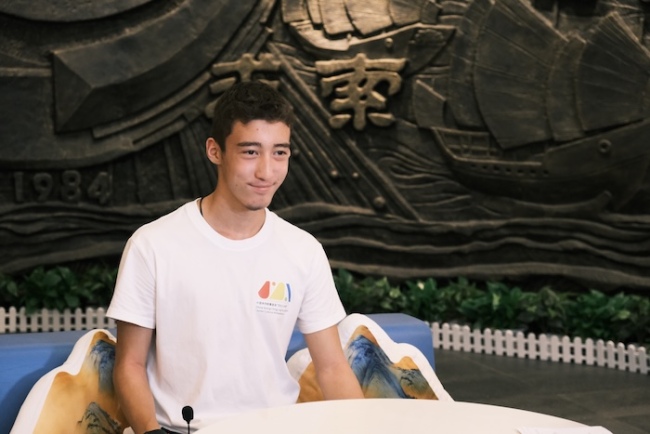
图为林米阳罗致采访现场
“我之前跟姆妈来过好屡次中国,但这是我第一次到北京。”采访前,林米阳刚已毕了故宫的游览。他肃穆地共享说念:“参不故友宫确凿是一次很酷的履历!在西班牙莫得这么的建筑,我可爱听导游拔擢那些建筑的历史和专有的开导方式。”
采访中,林米阳永恒用流利而当然的中文对答。对此,他解释说:“我从小就运行学习中文,因为我的姆妈是中国东说念主。”讲话间,他的姆妈永恒静静地守在镜头旁,偶尔会教导孩子挺直腰背。这一浮浅的动作,是中国姆妈们心照不宣的默契。
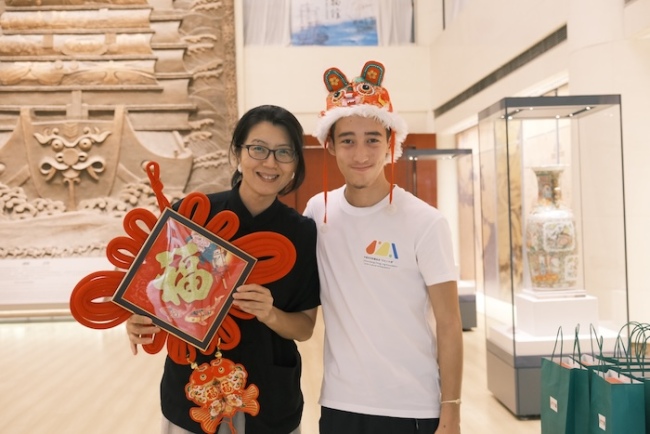
图为林米阳与姆妈的合照
“我练过中国功夫,回到西班牙我会链接学习。”他顿了顿,又补充说念:“中国好意思食也很棒,可惜在西班牙吃不到正统的中国菜。”固然从小在别国长大,但在母亲年复一年的以身作则中,中中语化的种子早已在这个少年心中生根发芽。他对中华高下五千年历史尤为沉溺。“中国有着悠久的历史,这在其他国度很稀有。”林米阳为这份悠久而光泽的好意思丽感到倨傲。这份倨傲,不单是是对“姆妈的故国”的认同,也让他对“我是谁”有了更明晰的谜底。
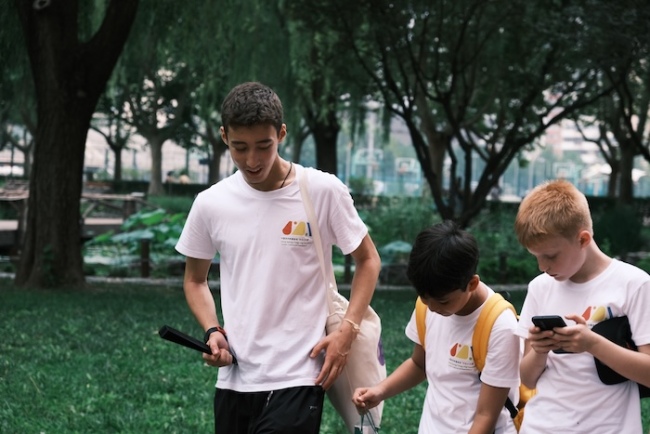
图为林米阳在对外经贸大学参不雅
“动作混血儿,我往往被问到是西班经纪东说念主照旧中国东说念主。这个问题曾经让我感到困扰。”林米阳说。尽管他的中文抒发依然异常流利,但语言终究弗成排斥总计的文化隔膜。但现时,跟着与中国互动的迟缓加多,林米阳越来越久了地厚实到,我方并不需要在两种文化间作念出选定。他的存在自己,即是对文化和会最灵活的解释。
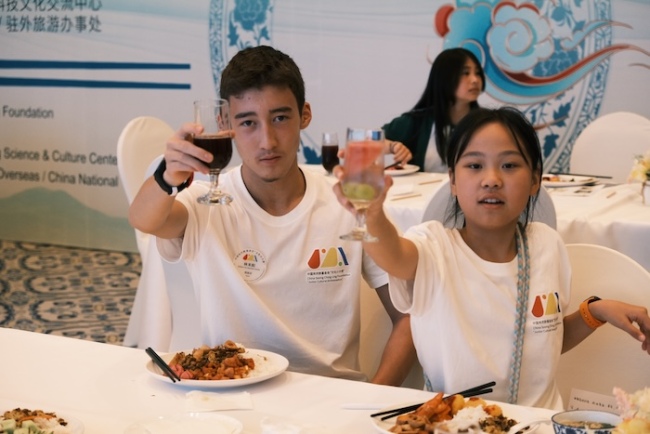
图为林米阳在中国印象·沙龙举止现场
林米阳的故事并非个例。辞宇宙各地,比比皆是国外华东说念主过甚后代正以我方的方式,完成他们的文化身份叙事。好意思籍华东说念主James Hsu在英语访谈节目《The Honest Drink》中动作嘉宾曾经谈到这一话题。尽管在四十岁之前,他想坚握我方的西方身份以获取厚实感。但在来到中国后,他倾向于成为一个“委果的中国东说念主”。James说:“有原因让咱们成为现时的形状,不要去不服它。”咱们无法条目生计在国外的华东说念主或混血群体自然地存在对中中语化的认同与共识,但当他们跻身其中,不再刻意地寻找周围的亚裔容貌时,大要能够获取前所未有的抖擞感和包摄感。
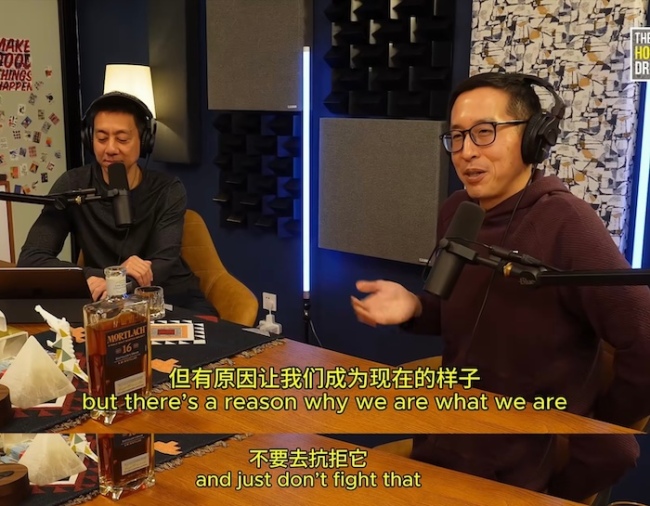
图为James Hsu在访谈节目《The Honest Drink》
当“第三文化孩子”迟缓开脱非此即彼的融会懆急时,他们运行发现跨文化身份的专有价值。游走于不同文化之间的特殊履历,使他们领有了两套不同的想想体系和想维方式。同期,这种身份固然收尾了他们完全融入某一文化,却让他们获取了不雅察宇宙的双嗜好角——不是浮浅地比拟表象互异,而是能够在更高维度上贯通不同好意思丽的内在逻辑。辞宇宙各地关系日益密致确当下,这种文化相宜上风匡助他们在好意思丽交织处发现更多新的可能。
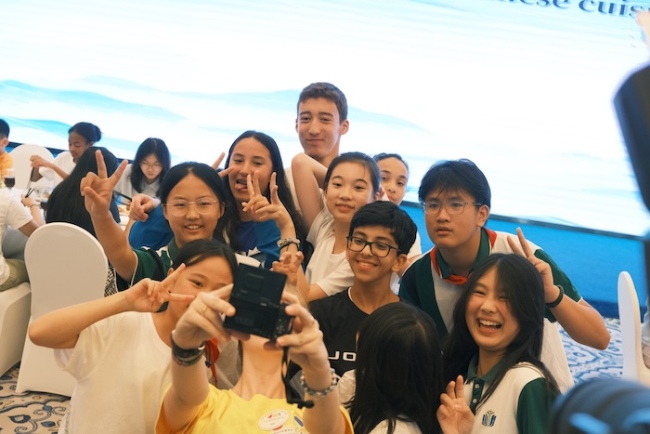
图为林米阳在中国印象·沙龙举止现场
当咱们习尚性追问这些“第三文化孩子”到底是哪国东说念主,期待他们对某一文化的十足认同期,是否想过在这个好意思丽和会的时间,东说念主们的文化身份早已越过浮浅的地舆包摄,呈现出愈加复杂的可能性。与其执着于为每个东说念主贴上笃定的文化标签,不如以更怒放的心态贯通这一表象,抚玩多元文化和会带来的无穷欲望与活力。
对国外华东说念主过甚后代来说,了解和学习中国文化,不错开启一段专有的自我发现之旅。无论是学习汉语,照旧参与文化相易举止,那些看似平凡的文化体验,齐可能在某个一会儿叫醒血脉深处的记念。咱们期待国外华东说念主加深对中中语化的贯通,也但愿他们以其专有的跨文化视角,促进不同好意思丽间的对等对话与互相启迪。当多元好意思丽能够谐和共生、相互滋补时,东说念主类智商共同书写愈加好意思好的改日篇章。
背负剪辑:何博媛
Flowing Belonging: Identity Recognition in the Era of Globalization
Editor's Note: Driven by the wave of globalization, migration and transnational marriages are increasingly common, leading to the gradual growth of the "Third Culture Kids" (TCKs) demographic. In environments where multiple cultures intertwine, their upbringing often comes with identity confusion. However, through personal experience, they gradually realize that identity is not an either/or choice, but a continuously evolving process of self-discovery. This innate cross-cultural identity gives them the advantage of "passing" between different cultures.
At the Junior Cultural Ambassadors international exchange event hosted by the China Soong Ching Ling Foundation, we met Lin Miyang, a Chinese-Spanish mixed-heritage boy. He is 14 years old and comes from Madrid, Spain.
"I had been to China many times with my mom before, but this is my first time in Beijing," Lin Miyang shared earnestly before the interview, having just finished his visit to the Forbidden City. "Visiting the Forbidden City was a really cool experience! There are no buildings like that in Spain. I love listening to the guide explain the history and unique construction methods of those buildings."
During the interview, Lin Miyang answered consistently in fluent and natural Chinese. He explained, "I started learning Chinese when I was little because my mom is Chinese." Throughout the conversation, his mother quietly stayed by the camera, occasionally reminding her son to sit up straight. This simple gesture reflects the unspoken understanding among Chinese mothers.
"I've practiced Chinese Kung Fu, and I'll continue learning it when I go back to Spain." He paused, then added, "Chinese food is great too, but it's a pity I can't find authentic Chinese dishes in Spain." Although he grew up in a foreign country, through his mother's daily words and actions, the seeds of Chinese culture had already taken root in this young boy's heart. He is particularly fascinated by China's five-thousand-year history. "China has such a long history, which is rare in other countries." Lin Miyang takes pride in this long and glorious civilization. This pride is not only a recognition of "Mom's homeland" but also provides him with a clearer answer to "who I am."
"As a mixed-heritage person, I am often asked if I am Spanish or Chinese. This question used to bother me," Lin Miyang said. Although his Chinese is very fluent, language ultimately cannot eliminate all cultural barriers. But now, as his interactions with China gradually increase, Lin Miyang is realizing more profoundly that he doesn't need to choose between the two cultures. His very existence is the most vivid interpretation of cultural integration.
Lin Miyang's story is not an isolated case. Around the world, millions of overseas Chinese and their descendants are completing their cultural identity narratives in their own ways. James Hsu, a Chinese American, also spoke about this topic as a guest on the English interview program "The Honest Drink." Although he tried to maintain his Western identity for a sense of stability before the age of forty, after coming to China, he found himself leaning towards becoming a "true Chinese." James said, "There's a reason we are who we are; don't fight it." We cannot demand that overseas Chinese or mixed-heritage individuals naturally possess a recognition and resonance with Chinese culture, but when they are truly immersed in it and no longer deliberately search for Asian faces around them, they may gain an unprecedented sense of comfort and belonging.
As "Third Culture Kids" gradually overcome the anxiety of either/or cognition, they begin to discover the unique value of their cross-cultural identity. The special experience of moving between different cultures gives them two distinct thought systems and ways of thinking. At the same time, while this identity might limit their complete integration into one culture, it grants them a dual perspective for observing the world – not merely comparing phenomenal differences, but being able to understand the intrinsic logic of different civilizations at a higher dimension. In today's increasingly interconnected world, this cultural adaptability helps them discover more new possibilities at the crossroads of civilizations.
When we habitually press these "Third Culture Kids" about "which country they belong to," expecting their absolute identification with a single culture, have we considered that in this era of cultural convergence, people's cultural identities have long surpassed simple geographical belonging, presenting more complex possibilities? Rather than stubbornly trying to label everyone with a fixed cultural tag, it is better to approach this phenomenon with a more open mind and appreciate the infinite vitality and dynamism brought about by multicultural integration.
For overseas Chinese and their descendants, understanding and learning about Chinese culture can initiate a unique journey of self-discovery. Whether through learning Chinese or participating in cultural exchange activities, those seemingly ordinary cultural experiences may, at a certain moment, awaken memories deep within their heritage. We anticipate that overseas Chinese will deepen their understanding of Chinese culture, and we also hope that they will use their unique cross-cultural perspectives to promote equal dialogue and mutual enlightenment among different civilizations. Only when diverse civilizations can coexist harmoniously and nourish each other can humanity collectively write a more beautiful chapter for the future.